
AI/News
Google's Project Suncatcher satellite is in orbit and "operating as expected"; weeks of tests on how its TPUs take radiation and heat begin
Launched Thursday on SpaceX's Transporter-18 rideshare, built with Planet. Google's own 24 September page frames it as a hardware-survival test, with two satellites and laser links to follow in 2027.
By Daily Aletheia · Checked against the primary source · 2 October 2026 · 2 min read
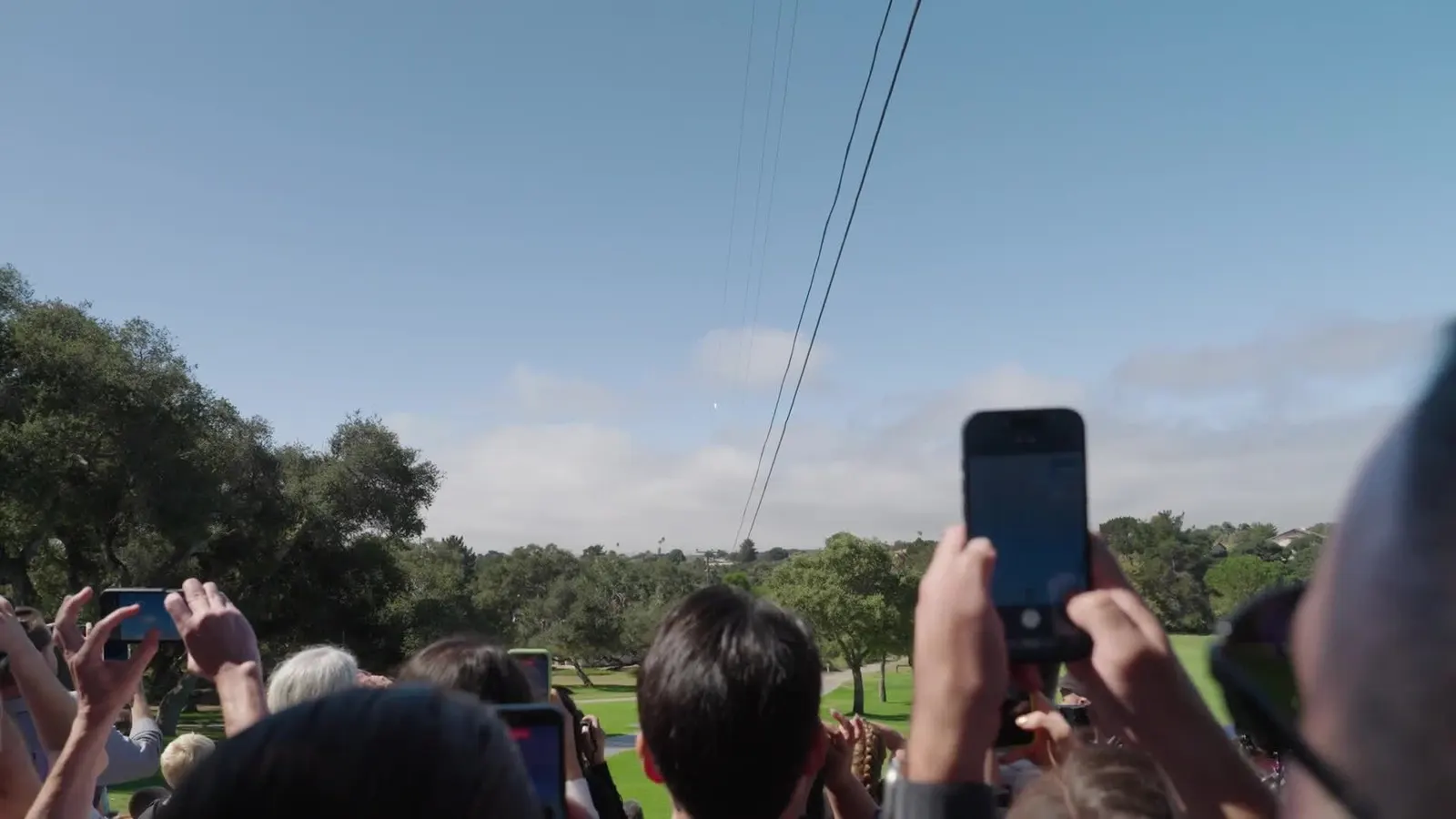
Google published a short note on 1 October from Travis Beals, senior director of its Paradigms of Intelligence group: the Project Suncatcher prototype satellite, built in partnership with Planet, launched aboard SpaceX's Transporter-18 rideshare mission, and "our team has confirmed contact with the satellite and it is operating as expected".
What the mission is for
Project Suncatcher is Google's long-term research programme into whether space could one day host "scalable machine learning infrastructure". This first satellite is a test of the hardware, not a data centre. Over the coming weeks Google will gather in-orbit data on how its Tensor Processing Units handle "the physical stress of spaceflight and the radiation and thermal extremes of space". A peer-reviewed paper on the research behind the mission is now in the journal Joule.
What Google said before launch
The 24 September page from the same author sets out the engineering questions. In low Earth orbit a satellite can generate up to eight times more solar power than on Earth. The ride up lasts about ten minutes at up to ten times the force of gravity, with individual chips seeing 50 to 100 g; Google shook the satellite on all three axes to mimic it. Its Trillium TPUs were tested under a proton beam at UC Davis's Crocker Nuclear Laboratory while running AI workloads, and Google says they survived a radiation dose greater than a five-year mission would deliver.
Cooling is the open problem: there is no airflow in a vacuum, so heat leaves only through radiators, and the heat-pipe-and-radiator design has so far been tested only in a thermal vacuum chamber. Future satellites would carry dozens of TPUs each and talk to their neighbours by laser over very short distances; that test is planned for 2027, with two satellites.
"Some things can only be tested in space," the launch note says. Google will use what it learns to refine its designs and share more "as the mission unfolds".