
Real Estate/News
Awaab's Law goes to England's 11 million private renters: the government asks whether the 24-hour emergency and 10-working-day investigation clocks carry across, and whether it starts in 2027, 2028 or 2029
MHCLG's consultation opened on 9 October and closes on 18 December; its own release says the change could take the homes under repair deadlines from 4 million to around 9 million. The timescales and the start year are questions on the paper, not decisions.
By Daily Aletheia · Checked against the primary source · 9 October 2026 · 2 min read
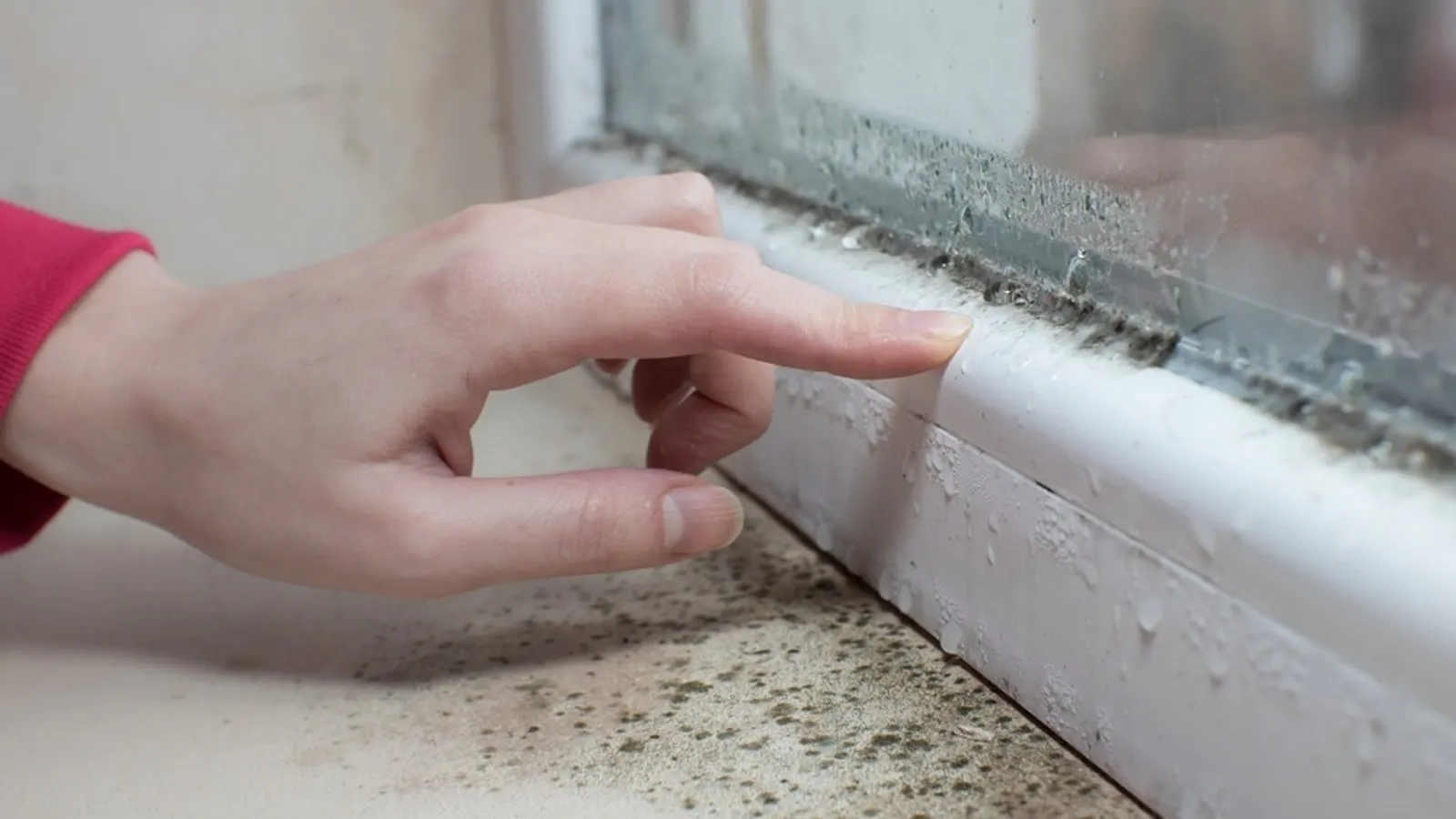
The Ministry of Housing, Communities and Local Government opened a consultation on 9 October on extending Awaab's Law to private rented tenancies and to accommodation occupied under licence. It applies to England and "closes at 11:59pm on 18 December 2026". The power to extend already exists in sections 60 and 61 of the Renters' Rights Act 2025; what the paper asks is how.
The law is named for Awaab Ishak, who the department's release says "died in 2020, after prolonged exposure to dangerous damp and mould". In the social sector, the paper says, "Since October 2025, social landlords have been required to address emergency repairs and damp and mould hazards that present a significant risk of harm to tenants within fixed timescales", and "From 30 November this year, we will extend the requirements of Awaab's Law in the social housing sector to a wider range of significant hazards including excess cold and excess heat, falls, structural collapse and falling elements, fire and explosions, electrical safety, and hygiene".
Those social-sector clocks are the baseline the paper puts to private landlords. "Investigations must be completed within 10 working days of the landlord becoming aware of a potential hazard"; a written summary of findings "within 3 working days of the investigation concluding"; the home made safe "within 5 working days of the investigation concluding"; "Works must be physically started within 12 weeks"; and emergency hazards dealt with "in any event, within 24 hours". Question 11 offers private landlords 5, 10 or 15 working days for the investigation. Question 30 asks "When should Awaab's Law start to be implemented in the private rented sector" and lists 2027, 2028 and 2029; the paper notes "The government expects this new Ombudsman to be established from 2028", the private-sector landlord ombudsman the Act also creates.
The case, in the minister's foreword: private renters "are far more likely to live in substandard housing than those with a social landlord", and the private sector "presents a number of distinct challenges". The release puts numbers on it: "Over 5 million more households could benefit", the extension could take the homes covered "from 4 million to around 9 million homes", "Around one in 10 private rented homes have a hazard at the most serious level (category 1)", and the Act already carries "fines of up to £7,000" for them. The 9 million counts temporary accommodation, supported housing and care-leaver accommodation, which the paper treats as a separate question from tenancies.